The Unknown Health Benefits of Jiu Jitsu Boston Athletes Don't Talk About Enough


People who start jiu jitsu Boston classes are chasing the obvious stuff — weight loss, muscle tone, maybe a little self-defense confidence. What almost nobody expects going in is how much the sport reshapes your body's relationship with stress. Every roll floods your system with cortisol and adrenaline in short, controlled bursts, and learning to stay calm and breathe through that pressure while someone is actively trying to submit you builds a kind of stress resilience that carries directly into everyday life. Practitioners of jiu jitsu Boston style often report handling work deadlines, arguments, and general chaos with a level head they credit directly to hundreds of hours spent staying composed while getting crushed in someone's side control.
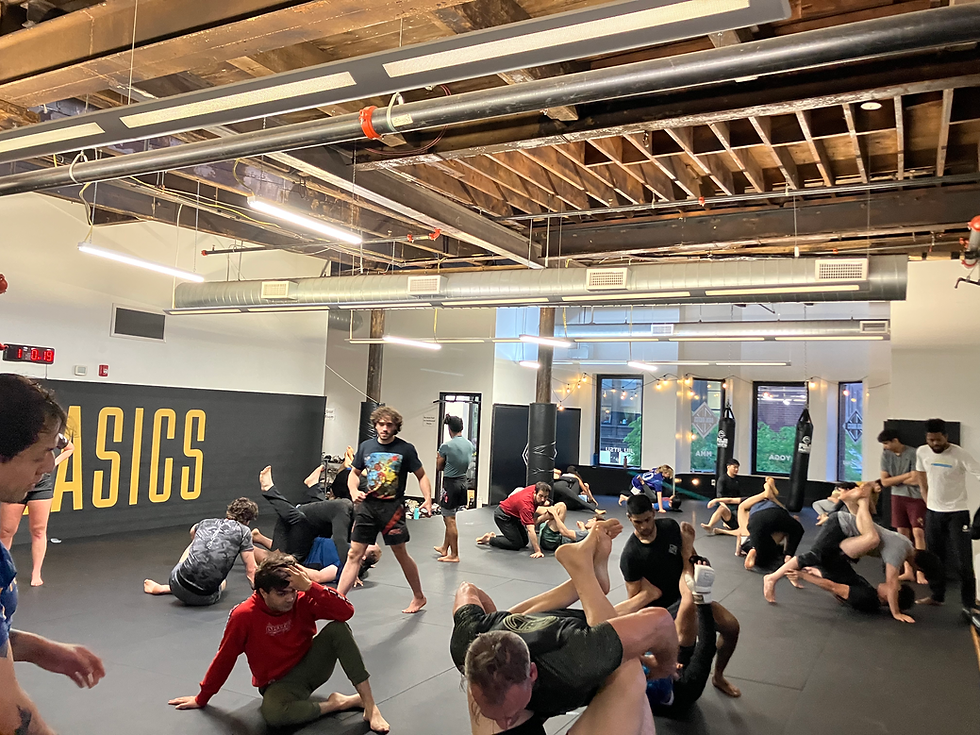
Jiu jitsu Boston training also does something most cardio machines never will: it builds your body's sense of where it is in space. Because grappling constantly asks you to move through awkward, off-balance positions and recover from them, regular practitioners tend to develop sharper reflexes, better balance, and a reduced risk of the kind of fall-related injuries that become more common as people age. This is part of why so many jiu jitsu Boston gyms see a steady stream of older adults joining — not for the competition scene, but because nothing else on the market rebuilds functional movement and coordination quite like grappling does.

There's also a surprisingly strong case for jiu jitsu Boston as a tool for better sleep. The combination of intense physical exertion and the mental "reset" that comes from total focus during training tends to leave people more physically tired and mentally decompressed by the end of a session than a typical gym workout does. Many longtime students of jiu jitsu Boston academies describe training nights as their best sleep of the week, in part because the sport forces such complete engagement that lingering anxious thoughts from the day genuinely have nowhere to go during the hour you're on the mats.

Perhaps the least talked-about benefit of jiu jitsu Boston training is what it does for grip and joint health over the long run. Constant gripping, framing, and controlled resistance training builds tendon and ligament strength in the hands, wrists, and shoulders in a way that few other activities replicate, which is part of why so many older black belts still train pain-free well into their 50s and 60s. Combined with the cardiovascular, mental, and coordination benefits already stacking up in its favor, jiu jitsu Boston starts to look less like a niche combat sport and more like one of the most complete health interventions available — most people just don't find that out until they're already hooked.


Comments